
★ Overview
TROLL
In Norse mythology, the troll was often depicted as a powerful, malevolent being that lived in remote areas such as mountains, forests, and caves.They were known for their great strength and for being difficult to kill. Trolls were often associated with natural phenomena such as thunder, lightning, and earthquakes, and were believed to be the cause of such events.In Scandinavian folklore, trolls were said to be beings of the earth, associated with fertility and the cycle of life. They were often depicted as solitary creatures, living in hidden places and guarding their treasures
The idea that trolls live under bridges is a common trope in folklore and popular culture, particularly in Western countries. However, it is important to note that the concept of trolls varies widely depending on the cultural tradition in which they appear.In Scandinavian folklore, for example, trolls are often associated with remote, mountainous regions rather than bridges. Similarly, in Norse mythology, trolls were sometimes depicted as living in caves or other secluded areas.The notion of trolls living under bridges likely originated in European folklore, where they were often depicted as malevolent creatures that would attack travelers or demand payment to cross a bridge.
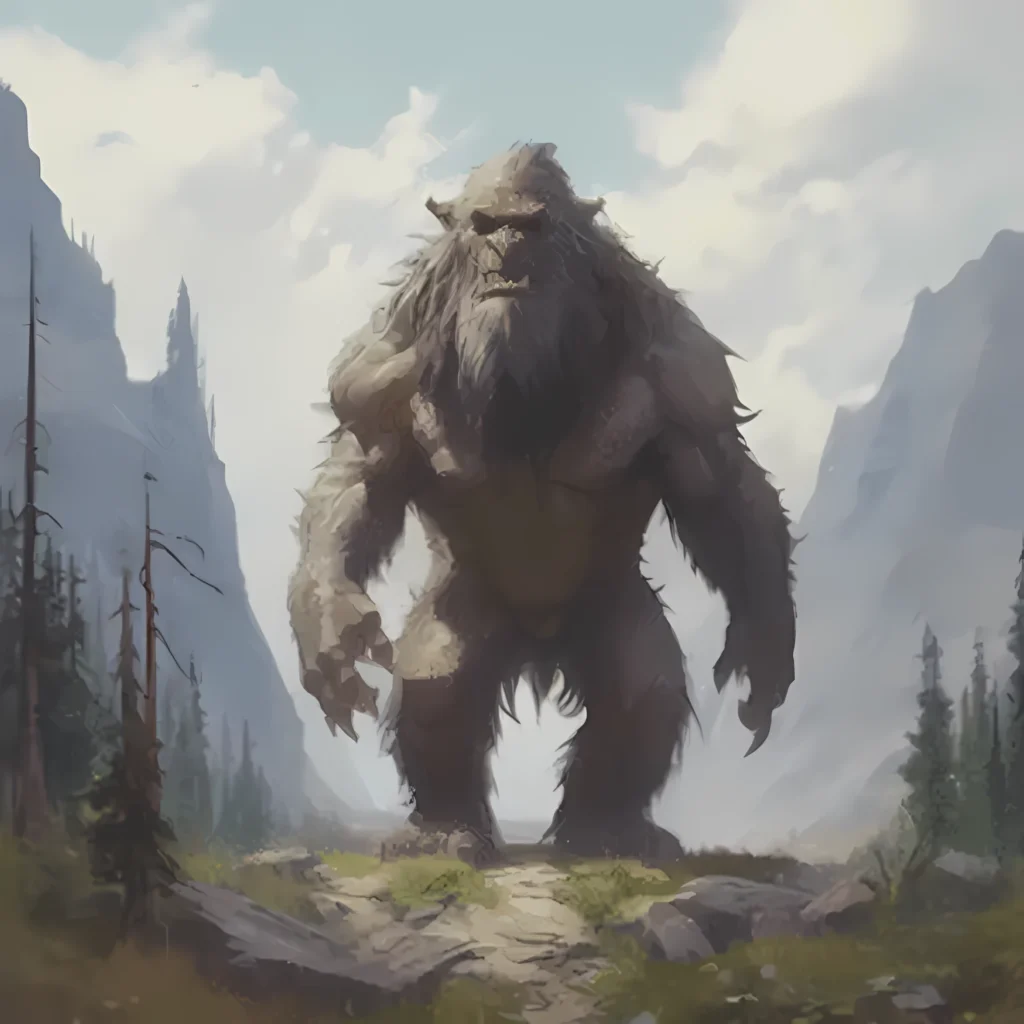
Origin & History
Emerging from Norse Mythology, "troll" was originally a catch-all term for anything supernatural and dangerous, often used interchangeably with Jötunn (giants). Over time, as Scandinavia transitioned into the Christian era, the legends evolved. The cosmic giants who fought the gods became the localized monsters of the folklore we know today: brutish, mountain-dwelling beings that haunt the outskirts of human civilization.
They are often tied to the land itself—so much so that a sleeping troll can easily be mistaken for a moss-covered hill or a jagged cliff. They are the guardians of the mountains, ancient and stubborn, existing as a reminder that the earth was here long before humans and has little patience for our rules.
Powers & Abilities
- Incredible Strength: Trolls can uproot trees to use as clubs and are credited with creating landmarks by tossing massive boulders across the landscape.
- Environmental Camouflage: When they remain still, they are virtually indistinguishable from the rocks and mounds of the forest, allowing them to ambush travelers.
- Longevity: They are exceptionally long-lived, with some said to be hundreds or even thousands of years old, possessing ancient (though often dim) memories.
- Magic (Trolldom): While most are portrayed as stupid, some "Troll-wives" are cunning sorceresses who can cast illusions, shapeshift into beautiful women, or brew powerful potions.
Appearance
- The Massive Frame: They range from human-sized to gargantuan beings as large as hills. Their bodies are heavy and thick, with long, powerful arms that often drag near the ground.
- The Stone-Skin: Their skin is rough, leathery, and often gray or brown, resembling weathered rock or tree bark. In some legends, they are literally covered in moss and small trees growing from their backs.
- The Face: They are famously ugly, featuring oversized, bulbous noses and wide, toothy mouths. Many are depicted with "eyes the size of plates" or, in more monstrous cases, possessing multiple heads (three, six, or even nine).
- The Tail: A distinctive feature of the Scandinavian troll is a cow-like or pig-like tail tucked behind them, which they often try to hide if they are attempting to pass as human.
- The Senses: They are said to have an incredible sense of smell, specifically for "the blood of Christian men," which sends them into a predatory rage.