
★ Overview
NAGA
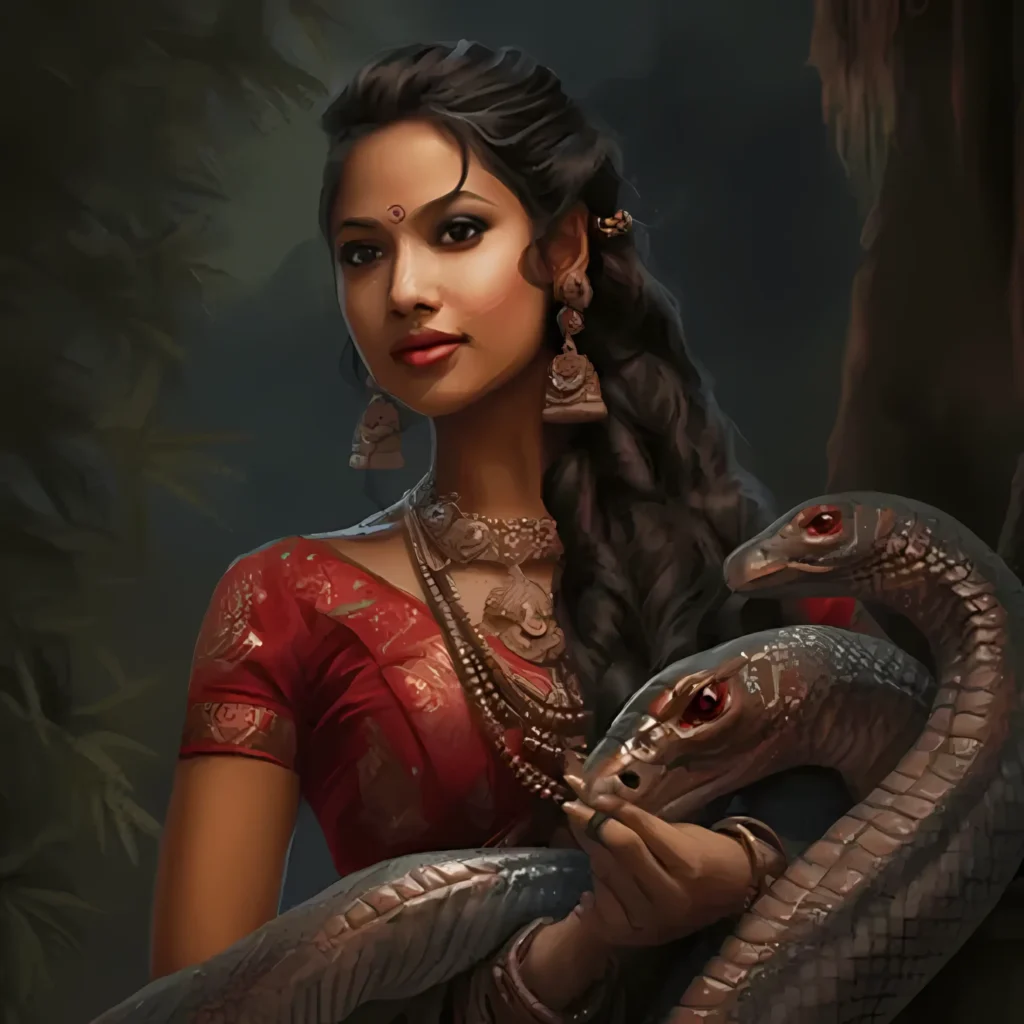
The nagas are depicted as a potent, magnificent, awe-inspiring, and self-assured semi-divine lineage, capable of adopting various physical manifestations—humanoid, part human-part serpent, or entirely serpentine. Their dominion exists within an enchanting subterranean realm, an underground domain abundant with gems, gold, and other precious earthly treasures referred to as Naga-loka or Patala-loka.
The nagas are devoted adherents of Virūpākṣa (also known as Virūpakkha), one among the Four Heavenly Kings responsible for safeguarding the western quarter. They assume the role of protectors on Mount Sumeru, ensuring the safety of the celestial beings of Trāyastriṃśa Heaven against potential assaults launched by the asuras.
In different traditions and cultures , nagas encompass a range of attributes, from benevolent protectors to potent deities.
Origin & History
Nagas are featured in the mythologies of South Asia, Southeast Asia, and other regions.
All Nagas in Hinduism trace their lineage back to the esteemed sage Kashyapa and Kadru. Kadru, in particular, was the mother of a thousand Nagas. Consequently, the Nagas are sometimes referred to as Kadrooja, signifying their connection to Kadru.
The creator deity Brahma consigned the nagas to the subterranean realms as their population grew excessively on Earth. He instructed them to administer their venom solely to the genuinely malevolent or those fated for untimely demise. These beings also bear a connection to water, including rivers, lakes, seas, and wells, and serve as custodians of valuable treasures.
Powers & Abilities
- Hydromancy: They have absolute control over water. They can summon rain for a harvest or withhold it to cause a famine, and they can part the waters of a lake to reveal hidden paths.
- Venomous Breath: Their breath is not just toxic to the body but can be corrosive to the soul, causing madness or instant paralysis in those who intrude upon their sacred spaces.
- Magical Knowledge: They are the keepers of ancient, esoteric secrets and are often sought out by sages for their profound wisdom.
- Subterranean Shifting: They can move through solid earth as easily as a fish swims through water.
Appearance
- The Hybrid Form: The most iconic depiction of a Naga features the upper torso, arms, and head of a beautiful human, merging seamlessly at the waist into the powerful, muscular tail of a massive cobra.
- The Polycephalic Hood: In their most divine state, Nagas are shown with multiple heads—usually three, five, seven, or nine. These heads fan out behind their human skull like a royal, flared cobra hood, symbolizing their rank and spiritual power.
- The Full Serpent Form: They can also appear entirely as gargantuan snakes, often with shimmering scales that reflect the colors of precious gems like emeralds or rubies.
- The Human Disguise: Nagas are master shape-shifters. They can walk among humans in perfect mortal form, though some legends suggest they can be identified by a faint scent of sandalwood or a slight shimmering of the skin under direct moonlight.
- The Jewels: They are almost always adorned with ornate gold jewelry and a singular, glowing "Naga-gem" embedded in their throat or forehead, which is the source of their magical potency.