
★ Overview
MYLINGEN
Mylingen is a mythical creature from Scandinavian folklore, specifically from Swedish and Norwegian traditions. The word “myling” or “mylingar” in Swedish and Norwegian folklore refers to the spirits of unbaptized or abandoned children who were left to die in the wilderness. The belief was that if a child died before being baptized or if they were abandoned and left to perish, their spirits would become restless and haunt the areas where they met their demise. These spirits were said to manifest as crying or wailing sounds in the night, trying to lure unsuspecting travelers or passersby into the wilderness, often to share their story or to seek retribution for their unfortunate fate.
To survive an encounter with a Myling, a person must:
Give it a Name: By bestowing a name upon the spirit, you give it an identity, which is the first step toward peace.
Reach Consecrated Ground: You must successfully carry the spirit into a graveyard. Once its feet touch the holy soil, the weight disappears, and the spirit is finally able to pass on.
Origin & History
The myth of the Myling served a grim but practical purpose in old Scandinavia. It acted as a powerful social deterrent against infanticide. The idea that an abandoned child would return as an unstoppable, vengeful monster that would haunt the community—or specifically its parents—was a terrifying psychological weight.
The name comes from the Old Norse mýr (marsh) or the Swedish mörda (to murder). The lore stems from the historical practice of "exposure," where infants were sometimes left in the forest due to extreme poverty or the stigma of being born out of wedlock.
-
The Name-Seeking: A Myling's greatest desire is a name. If a traveler can think quickly and give the spirit a name (often "Nils" or "Anna") and promise to bury them properly, the spirit may be laid to rest.
-
The Song of the Myling: They are often heard singing eerie rhymes in the forest, lamenting their fate or calling out to their mothers. One famous rhyme says: "Give me a name, or I'll give you a death-tame."
Powers & Abilities
- The Weight: When a Myling jumps on your back, it demands to be carried to the graveyard. As you walk, the Myling becomes supernaturally heavy. It is said that as you get closer to the cemetery walls, the spirit grows until it weighs as much as a boulder, often crushing the breath out of the person carrying it.
- The Demand: They often sing rhymes or cries demanding a name. If the person carrying them cannot name them or cannot make it to the graveyard due to exhaustion, the Myling kills them in a fit of rage.
- Physical Strength: Despite their size, they have a grip like iron. Once they latch onto your neck or shoulders, they are almost impossible to shake off.
Appearance
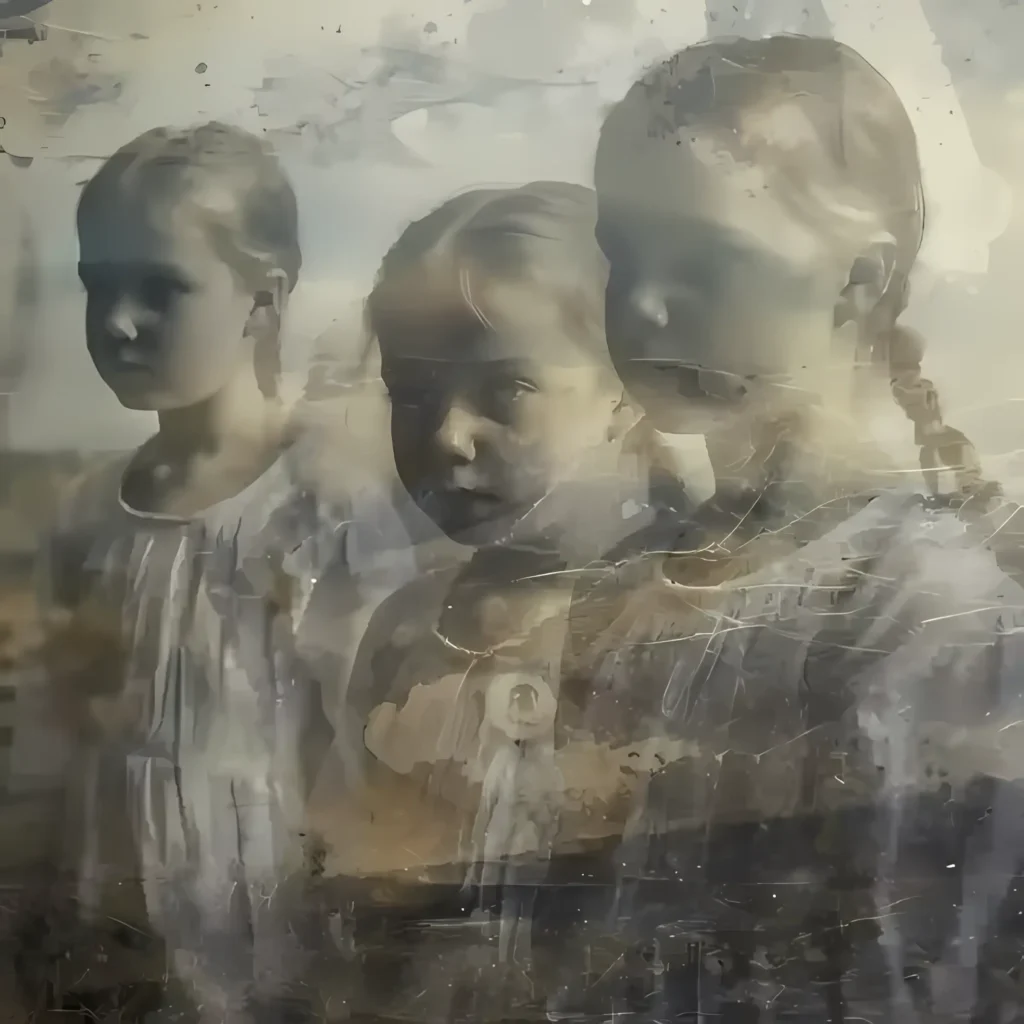
- Childlike Appearance: Mylings are often described as appearing like children or infants. They may have the appearance of ghostly or ethereal children, sometimes with features that are distorted or unsettling.
- Pale or Ghostly: They are typically depicted as having a pale or ghostly appearance.
- Emaciated or Desolate: Mylings are often described as looking emaciated or desolate, reflecting the circumstances of their tragic deaths. They may appear as malnourished or frail figures.
- Tattered Clothing: In some accounts, Mylings are said to wear tattered or ragged clothing, symbolizing their abandonment or neglect.
- Transparent or Translucent: Mylings are often described as semi-transparent or translucent.