
★ Overview
PIXIE
The Pixie is a mythical creature often depicted as small, mischievous, and magical being, typically associated with Celtic folklore and British mythology.
Historically, Pixies are ancient, elemental spirits tied to the granite tors and hidden valleys of the West Country. They are the quintessential “chaos agents” of the British Isles—not inherently evil, but possessed of a sense of humor that can be terrifying to a lost traveler.
They delight in leading people in circles until exhaustion sets in. However, they are also known to be industrious; if a household is clean and respectful, a Pixie might stay to help with chores, though their favor is as fickle as the wind.
The appearance and abilities of pixies can vary widely depending on the cultural context and specific story or myth in which they appear. Pixies have become popularized in modern culture, often appearing in literature, films, and games.
A relatively new festival, called the Pixie Dust Festival, began in Olympia, Washington in 2018. Attendees can find various themed activities, music, art, costumes and more. For more information on the festival, visit the following link here.
Another unique festival is called Pixiefest, and is held each year in Lincoln City, Oregon. This festival celebrates a restaurant from the 1950’s called Pixie Kitchen and amusement park from the 60’s called Pixieland. The festival features fun activities including a bounce house village and costumed characters.
Origin & History
Their origins are from southwest Britain but their exact origins are difficult to pinpoint. According to a number of sources, they have very strong ties to Dartmoor, an area of land on the Southwest Peninsula of England with large, rounded, rocky hills called tors. Dartmoor is a moor, an almost barren area of land with few trees, low brush and vegetation, a few streams and spotted with tors.
It is very likely that they originate from Celtic culture, although Wikipedia notes that there is a small possibility that their name originates from a Norse Swedish word pyske, which translates to “wee little fairy”. Another possibility for where the word pixie could have originated from was from the Old English words piskie or pisky, which would give evidence for Celtic origins.
It wasn’t until the 1800s where extensive literature began appearing about the little people. Mentioned above, Anna Eliza Bray’s “A Peep at the Pixies” was published in 1854. In this series of stories, Ms. Bray gives an excellent historical viewpoint of what the beliefs or perspectives of pixies were at the time.
There was strong belief in the existence of pixies for many centuries, and some in Britain still believe in their existence to this day.
Powers & Abilities
- "Pixie-Leading": The ability to magically distort a person's sense of direction, making a straight path feel like a labyrinth.
- Object Animation: They can make household items "dance" or disappear, only to reappear in the most unlikely places (like a boot in the oven).
- Illusion (Glamour): Pixies can disguise themselves as animals, small children, or even bundles of hay to observe humans without being detected.
- Animal Charming: They are known to "ride" colts and ponies at night, leaving their manes tangled in "pixie-knots" by morning.
Appearance
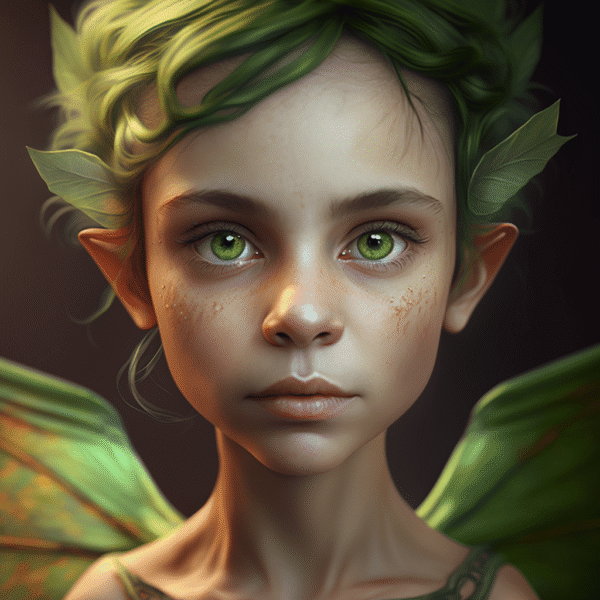
- The Diminutive Stature: They are small, usually standing between 6 and 10 inches tall, though they can appear human-sized to trick travelers.
- The "Pointed" Aesthetic: They are famously depicted with pointed ears and tilted, upturned noses, giving them a perpetually mischievous expression.
- The Wardrobe: Unlike Goblins, Pixies have a flair for style. They are often seen in tight-fitting green clothing or outfits made of bundle-weed and lichen. Many older tales describe them as "ragged" or even "stark naked."
- The Red Hair: A common trait in West Country lore is a shock of bright red hair and a squint in their eyes.
- The Wings (Optional): While modern art gives them butterfly wings, traditional folklore says they fly via magical propulsion or by riding on the backs of ragwort stalks and dragonflies.