
★ Overview
ZOMBIE
A zombie is a fictional undead creature that is often depicted in popular culture, particularly in horror films, TV shows, and video games.In most portrayals, zombies are reanimated corpses that have risen from the dead and are typically depicted as mindless, flesh-eating monsters. They are often depicted as being slow-moving and clumsy, with a shuffling gait and a tendency to moan or grunt.
In modern pop culture, the zombie has evolved into a popular horror trope and is often used to explore themes of mortality, survival, and human nature.It is important to note that zombies are purely fictional and do not exist in real life. While there are some medical conditions that can cause zombie-like symptoms, such as the walking dead syndrome or Cotard’s syndrome, these conditions are rare and do not involve reanimation or cannibalism.
The first zombie movie came out in 1932 and was titled “White Zombie”. The more popular film “Night of the Living Dead” by George A. Romero came out in 1968, 36 years later, and solidified the scare-factor of zombies in the minds of viewers all across America. Since then, we’ve been obsessed as a culture
Origin & History
The Zombie is a unique entity in the bestiary because it is the only monster whose meaning has been completely inverted by the West. Originally, the zombie was a figure of pity and tragedy, not terror. Rooted in Haitian Vodou, the "Zonbi" was a victim of sorcery—a person whose soul had been stolen by a Bokor (sorcerer) to be used as a mindless slave. This folklore was a powerful metaphor for the trauma of slavery; for an enslaved person, the ultimate horror wasn't death, but being denied the peace of the grave and forced into eternal labor.
In the 20th century, Western pop culture—specifically George A. Romero with Night of the Living Dead (1968)—reimagined the zombie as a predatory, contagious, and apocalyptic force. The "Modern Zombie" represents Societal Collapse. They are the mindless masses, the fear of infection, and the loss of individual identity. Whether they are slow-shambling corpses or "fast" infected runners, they represent a world that has stopped working, where the only rule left is the hunger for "brains" (or life-force).
Powers & Abilities
- Pain Insensitivity: Because their nervous systems are dead or suppressed, zombies can walk through fire, ignore missing limbs, and continue attacking despite catastrophic injuries.
- Infinite Stamina: They do not get tired. They will pursue a target at a steady pace (or a sprint) until their muscles physically rot off the bone.
- Horde Intelligence (Emergent): While an individual zombie is stupid, they possess a "swarm logic." They are drawn to noise and light, creating a tidal wave of bodies that can overwhelm even the best-fortified positions.
- Infectious Bite: In modern lore, their primary "power" is the ability to turn the enemy into an ally. A single scratch or bite is usually a 100% effective death sentence.
Appearance
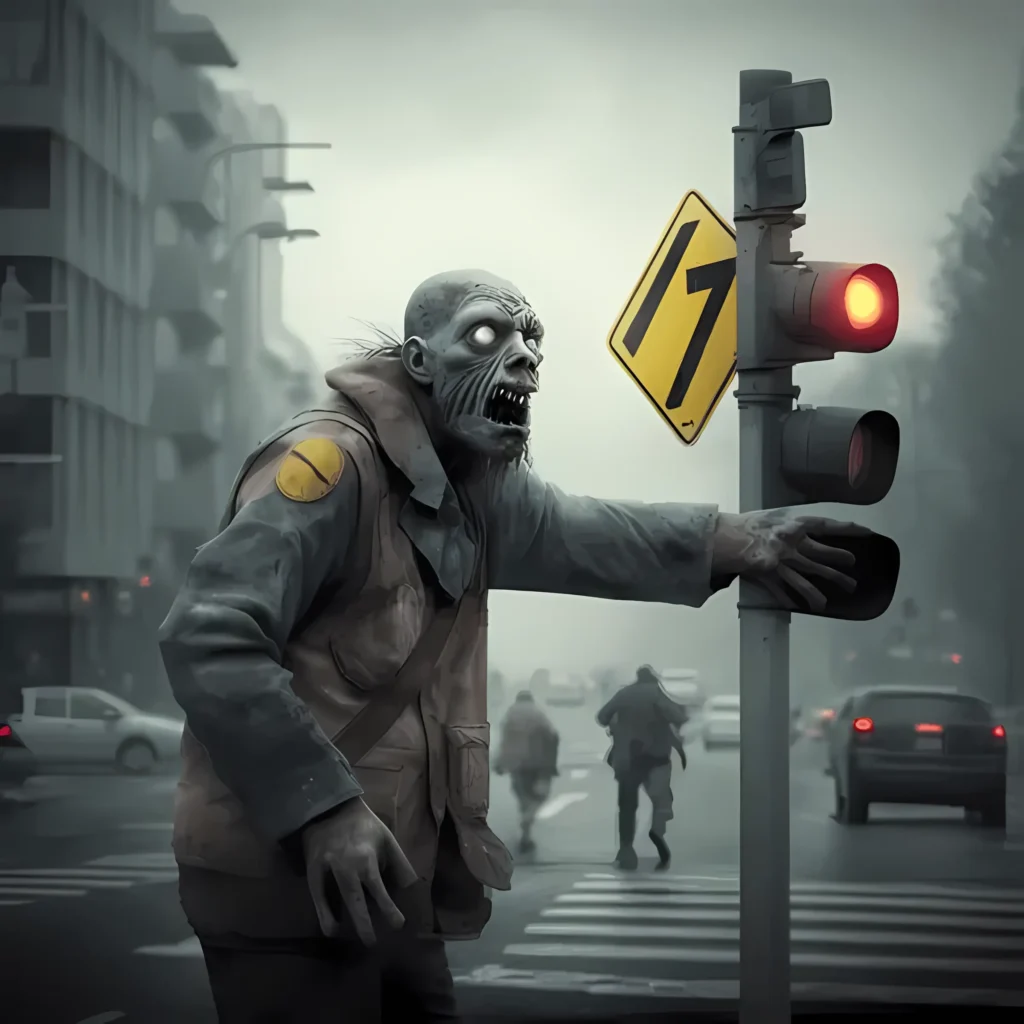
- The Haitian Zonbi (Traditional): They do not look like rotting monsters. Instead, they appear as emaciated, dazed humans with a "thousand-yard stare." Their eyes are glazed or white, their movements are stiff and robotic, and they often appear "ashy" or grey-skinned. They are often dressed in the simple clothes they were buried in.
- The Shambler (Modern Classic): These are in various states of putrefaction. They feature grey/green decaying flesh, exposed bone, and tattered clothing. Their eyes are usually milky with cataracts or entirely bloodshot.
- The "Fast" Infected (Modern): Seen in films like 28 Days Later, these look more like rabid humans. They have burst blood vessels in their eyes, constant snarling or screaming, and are covered in fresh blood rather than old decay.
- The "Clicker" (Fungal): In more modern variations (like The Last of Us), the appearance is dominated by fungal growths (Cordyceps) erupting from the head and torso, replacing human features with plate-like mushroom structures.