
★ Overview
ALFAR (Dark)
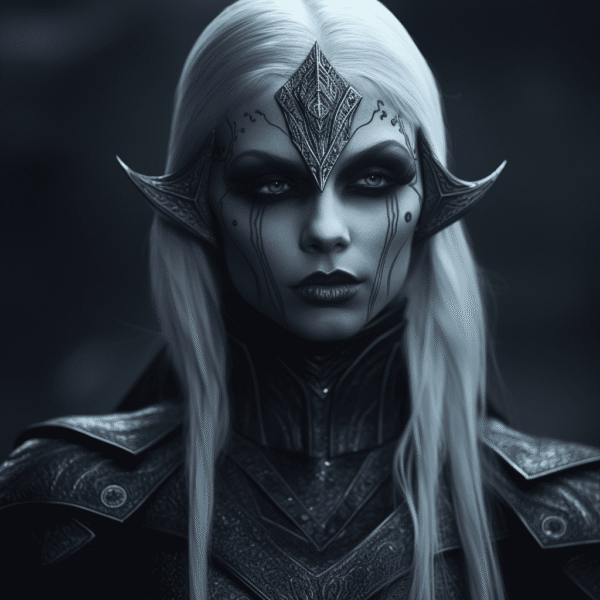
The dark alfar (Dökkálfar), embody the mysteries of the soil, stone, and the transformative power of fire. They are the “unseen workers” of the cosmos. In later folklore influenced by Christianity, this division was often moralized—casting the Light Elves as angelic and the Dark Elves as demonic—but in the original Viking mindset, they were likely viewed more as neutral, highly dangerous master-craftsmen who demanded a different kind of respect.
Origin & History
First categorized by the 13th-century historian Snorri Sturluson in the Prose Edda, they are described as dwelling deep within the earth, far from the sun's reach. There is significant academic debate as to whether "Dark Elves" were a distinct race or simply another name for Dwarves (Dvergar), as both are described as master smiths living in the dark realm of Svartálfheim (Home of the Black Elves).
Powers & Abilities
- Master Forging: They are the greatest smiths in the Nine Realms. They forged Odin’s spear (Gungnir), Thor’s hammer (Mjölnir), and the silk ribbon that bound Fenrir (Gleipnir).
- Shadow Melding: They have the ability to become one with the darkness, moving through solid rock and shadows as if they were water.
- Nightmare Weaving: In later Germanic folklore, they were blamed for "Albtraum" (Elf-dreams/Nightmares), believed to sit on a sleeper's chest and whisper terrifying visions.
- Earth Magic: They can manipulate metal and stone with a touch, "singing" to the ore to shape it into magical artifacts without the need for hammers or heat.
Appearance
- The Pitch-Black Skin: Snorri Sturluson famously described them as being "blacker than pitch." This doesn't necessarily mean a human skin tone, but a literal, void-like darkness that allows them to vanish into shadows.
- The Underground Pallor: Conversely, some legends describe them as having a sickly, ghastly pallor—the skin of someone who hasn't seen the sun in centuries.
- The Attire: They are often depicted in heavy, practical clothing suitable for forge-work—leather aprons, dark iron jewelry, and garments dyed in the colors of the deep earth (slate, charcoal, and ochre).
- The Bestial Features: Unlike the symmetrical beauty of the Light Elves, Dark Elves are sometimes described with craggier, more distorted features, reflecting the jagged rocks of their home.
- The "Black Elf" (Svartálfar) Variant: In many texts, they are indistinguishable from Dwarves—short, stout, and bearded, with eyes that glow like embers in the dark.