
★ Overview
Shapeshifters of Myth: Creatures That Aren’t What They Seem
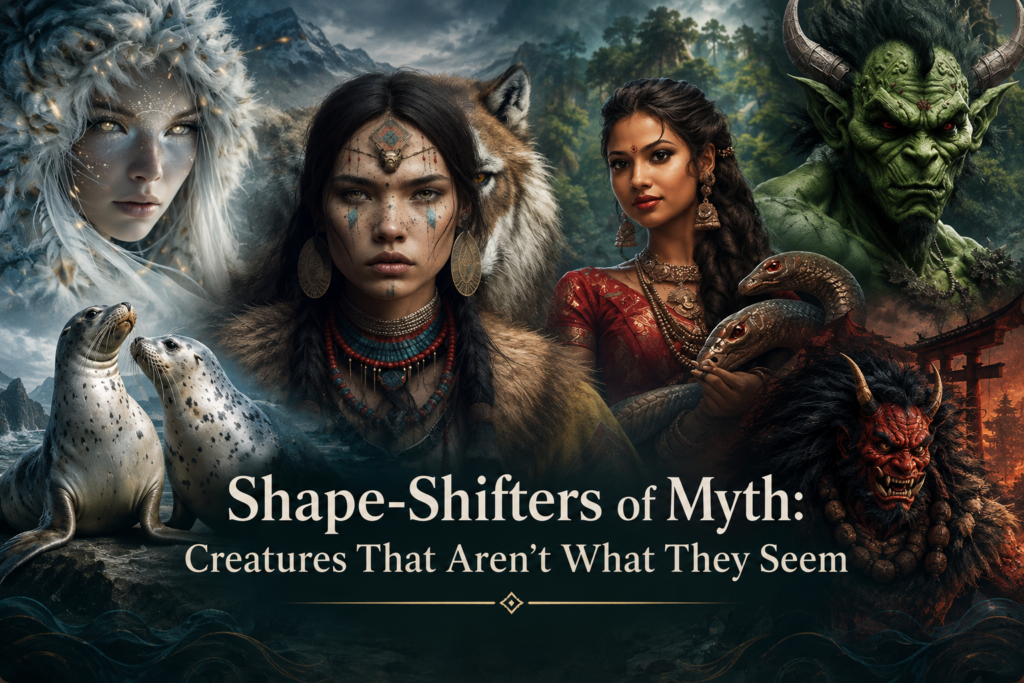
Imagine meeting a beautiful stranger on a lonely beach. She has dark, luminous eyes and an otherworldly grace. You do not know it yet, but she is not fully human. Somewhere nearby, hidden in the rocks, lies a sealskin that holds her true identity.
This is the world of shapeshifters. These are beings who slip between forms, blurring the line between animal, spirit, and human. They appear across nearly every culture on earth, and their stories still fascinate us today.
In this article, we will explore some of the most compelling shapeshifting creatures from global mythology. We will look at why these legends exist and what they reveal about the cultures that created them.
What Makes a Creature a True Shapeshifter
Not every magical being is a shapeshifter. A true shapeshifter has one defining trait. It can change its physical form, either at will or under certain conditions.
This transformation usually falls into a few categories.
- Animal to human transformation, such as removing a skin or coat
- Human to animal transformation, often tied to curses or dark rituals
- Fluid or unstable forms, where the creature can shift size or shape freely
- Disguise based shifting, used to deceive or lure victims
Shapeshifters often exist in that uncomfortable space between categories. They are not fully one thing or another, and that uncertainty is exactly what makes them so unsettling and so interesting.
Selkies: The Seal Folk of Celtic Mythology
Few shapeshifters are as gentle and tragic as the selkie. According to Celtic legend, selkies live as seals in the ocean but can shed their skin to walk on land as humans.
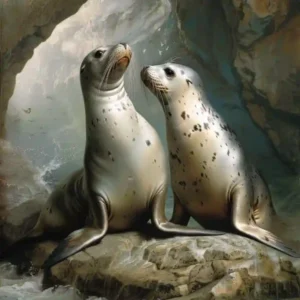
Their myth is especially strong in Scottish, Irish, and Faroese folklore, particularly around the Orkney and Shetland Islands.
Key traits of the selkie include the following.
- They appear as large, dark eyed seals while in the water
- Their human form is often described as strikingly beautiful
- They may retain small traces of the sea, such as webbed fingers
- Their sealskin holds power over their identity and freedom
The most haunting part of the selkie myth involves the sealskin itself. If a human finds and hides a selkie’s skin, the selkie becomes bound to land and unable to return to the sea.
This story captures something deeply human. It speaks to freedom, captivity, and the longing to return home.
Skinwalkers: The Feared Shapeshifters of Navajo Legend
Not all shapeshifters are gentle. The skinwalker, rooted in Navajo tradition, represents a far darker kind of transformation.
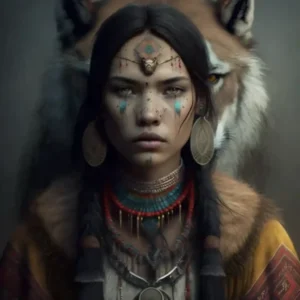
According to legend, a skinwalker gains its powers through forbidden practices and witchcraft. Once transformed, it can take the shape of nearly any animal.
Some key characteristics include the following.
- It can shift into predators, birds, or swift mammals
- In animal form, it moves with unnerving realism
- In human form, it often appears ordinary except for its eyes
- Its powers are tied to dark magic and curses
The skinwalker legend is treated with deep respect and caution within Navajo culture. It is not simply a scary story. It carries real cultural weight and moral warning.
Skinwalkers remind us that shapeshifting myths are not always about wonder. Sometimes they explore fear, taboo, and the consequences of crossing moral boundaries.
Naga: Serpent Deities With Many Forms
In Hindu and Buddhist mythology, the naga stands as one of the most powerful shapeshifting beings. Nagas are semi divine serpent deities capable of shifting between several distinct forms.
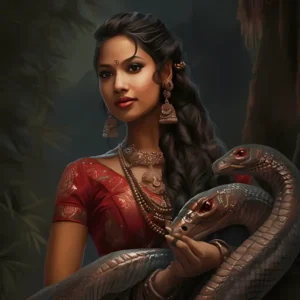
Their possible appearances include the following.
- Fully humanoid form
- Part human and part serpent form
- Entirely serpentine form
Nagas are said to live in a hidden underground realm filled with gold and gemstones, often called Naga loka. They serve as protectors within Hindu cosmology and hold deep spiritual significance.
Unlike some shapeshifters who hide their true nature, nagas often shift form as an expression of power and status rather than deception.
Oni: Masters of Disguise in Japanese Folklore
Japanese mythology offers a very different kind of shapeshifter with the oni. These fearsome demons are usually depicted as large and monstrous, but their true danger lies in disguise.
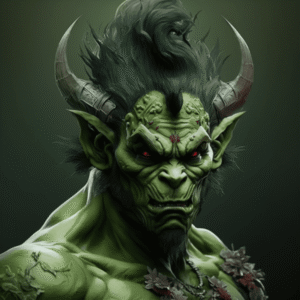
According to legend, oni often shapeshifts into the following forms.
- Beautiful women meant to lure travelers
- Wandering priests who seem harmless
- Ordinary humans hiding dangerous intent
Beyond shapeshifting, oni are also linked to natural disasters, powerful sorcery, and even regeneration. Some tales claim an oni can reattach severed limbs unless the pieces are destroyed quickly.
The oni myth teaches an important lesson. Sometimes the most dangerous threat looks the most harmless.
Fairies and Rå: Shifting Size and Shape
Not every shapeshifter changes species. Some simply alter their size, presence, or appearance to suit their mood or purpose.
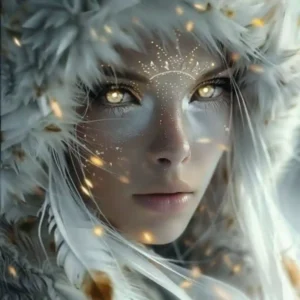
In Irish folklore, fairies are known for this kind of shifting. According to legend, they can appear as tall as a willow tree or as small as a blade of grass. Their transformation reflects mood and intention rather than a fixed animal form.
A similar idea appears in Scandinavian folklore through the Rå, nature spirits tied to forests and wilderness. These beings are said to shift their form to blend into their surroundings, and they are also linked to illusions, healing, and protection of natural spaces. Our Rå glossary entry explores this connection between shapeshifting and nature guardianship.
These examples show that shapeshifting is not always about deception. Sometimes it reflects a deep connection to nature and its constant state of change.
Why Shapeshifter Myths Exist Across So Many Cultures
Shapeshifting stories appear in nearly every mythology on earth. This is not a coincidence.
Here are a few reasons these myths remain so widespread.
- They explain the unexplainable. Strange animal behavior or unexplained events were often attributed to hidden beings in disguise.
- They express duality. Many cultures use shapeshifters to represent the tension between civilization and wildness, or good and evil.
- They teach moral lessons. Stories like the skinwalker warn against crossing ethical or spiritual boundaries.
- They explore identity and freedom. Selkies, in particular, reflect struggles with captivity, longing, and belonging.
- They connect humans to nature. Creatures like the Rå show how ancient cultures viewed the natural world as alive and responsive.
How Writers Can Use Shapeshifter Myths
Shapeshifters are not only fascinating to read about. They also offer powerful inspiration for fantasy writers and worldbuilders.
Here are a few ways to bring these myths into your own stories.
- Base a creature species on a specific shapeshifting myth, such as selkies or nagas
- Use disguise based shifting, like the oni, to create tension and mystery
- Explore moral consequences of transformation, similar to skinwalker legends
- Design a magic system with clear shifting rules and limitations
If you want to organize these ideas properly, our Notion worldbuilding dashboard includes a dedicated creature database and magic system builder. It helps you track origins, powers, and transformation rules so your shapeshifting species stay consistent throughout your story.
Frequently Asked Questions
What is the most well known shapeshifter in mythology?
Selkies and kitsune are among the most widely recognized shapeshifters, but nearly every culture has its own version of a transforming being.
Are shapeshifters always dangerous?
Not always. Selkies and Rå are generally gentle or protective, while beings like skinwalkers and oni are considered dangerous or malevolent.
Why do so many cultures have shapeshifter legends?
These myths often explain unexplained events, express moral lessons, or symbolize duality between civilization and nature.
Can shapeshifter myths help with fantasy writing?
Yes. These legends offer strong inspiration for creature design, magic systems, and story conflict rooted in transformation.
Where can I learn more about specific shapeshifting creatures?
You can explore detailed entries in our creatures glossary, covering selkies, skinwalkers, nagas, oni, and many more.
Is there a tool to help organize shapeshifter based worldbuilding?
Yes. Our Notion worldbuilding dashboard helps writers track creature origins, powers, and transformation rules in one place.
Final Thoughts
Shapeshifters remind us that appearances can never be fully trusted. A gentle seal may hide a heartbroken soul. A wandering priest may hide a demon. A quiet forest spirit may be watching every step you take.
These myths have survived for centuries because they speak to something timeless. Identity is fluid, nature is alive, and the line between human and other is thinner than we like to believe.
Whether you are drawn to these legends as a reader or plan to use them as inspiration for your own fantasy world, shapeshifters offer endless creative and cultural depth to explore.