
★ Overview
GOBLIN
The Goblin is “Low Fantasy” personified. They are small, grotesque, and obsessively mischievous. Historically, they occupy the “unseen spaces” of human habitation: the dark corners of the pantry, the hollows under the floorboards, or the abandoned mine shafts.
They are not out to conquer the world; they just want to sour your milk, trip your livestock, or hide your keys when you’re in a hurry. In many traditions, they are “household spirits” gone wrong—beings that were once helpful but became twisted by human neglect or their own fickle nature. They are the “pests of the spirit world,” proving that sometimes the most annoying monsters are the ones living right under your feet.
TYPES OF GOBLINS
Hobgoblin: Hobgoblins are described as helpful, short and hairy creatures. In stories, they can be found doing tasks and chores in homes. They can also at times be mischievous and play practical jokes and pranks on people.
Brownie: Brownies are very similar to hobgoblins in that they do work at night. They often require food and drink, such as milk or dairy, in exchange for their work. Brownies are generally less mischievous than hobgoblins. Like hobgoblins, they are also small, hairy and ugly, and if they have any clothing at all it is made of old rags.Redcap:
Redcaps are possibly one of the more grotesque and violent types of goblin. In folklore, they were said to coat their hats in the blood of the people they killed. Tales of these creatures originate from the northern parts of England.
Hogboon: Hogboons are friendly kinds of goblins that are said to bring luck to a family if they are treated well. The hogboon lives in a mound near a particular family’s home. The family would sometimes leave food for the hogboon.
Boggart: Boggarts are evil types of goblins that disturb people while they are sleeping. They can pull covers off people or tug on their ears. They may also cause things around the house to go missing. Boggarts are often believed to be hobgoblins that were mistreated or abused.
Origin & History
Goblins are a generally European invention, with the bulk of modern folklore coming out of present-day Germany. There are, however, goblin-like creatures described virtually everywhere in the world. Goblins have a tendency to pop up in rural areas, especially in those that are near forests. They represent an overall fear of the dark and unknown, with the tacit admission that humans can't necessarily fight back against those things that can't be seen. Because goblin myths are so ubiquitous, though, they have the relatively uncommon benefit of being able to fit into virtually any type of myth framework.
Stories of these creatures have strong roots in Europe, but can be found in folklore around the world.They are frequently referenced with ghosts around Halloween (e.g. ghosts and goblins).Goblins have appeared in several popular movies including the Harry Potter series.Underneath the ruins of Yester Castle in Scotland is an ancient hall called Goblin Ha'. People believe the hall was built by demonic forces.Goblins have become a go-to in modern fantasy media. They are often the rank-and-file monsters, though many authors have supplanted them with the historically-similar orcs.
Powers & Abilities
- Shadow Stealth: Goblins can move with absolute silence and possess an almost supernatural ability to hide in plain sight, even in a room with no furniture.
- Mechanical Sabotage: They have an innate understanding of how things "break." They can cause a sturdy wagon wheel to snap or a well-maintained hearth to smoke with a single touch.
- Night Vision: Their eyes are perfectly adapted to total darkness, allowing them to navigate complex tunnels or cluttered houses without making a sound.
- Vermin Command: In some legends, they can communicate with and lead "lesser" creatures like rats, crows, and spiders to aid in their pranks.
Appearance
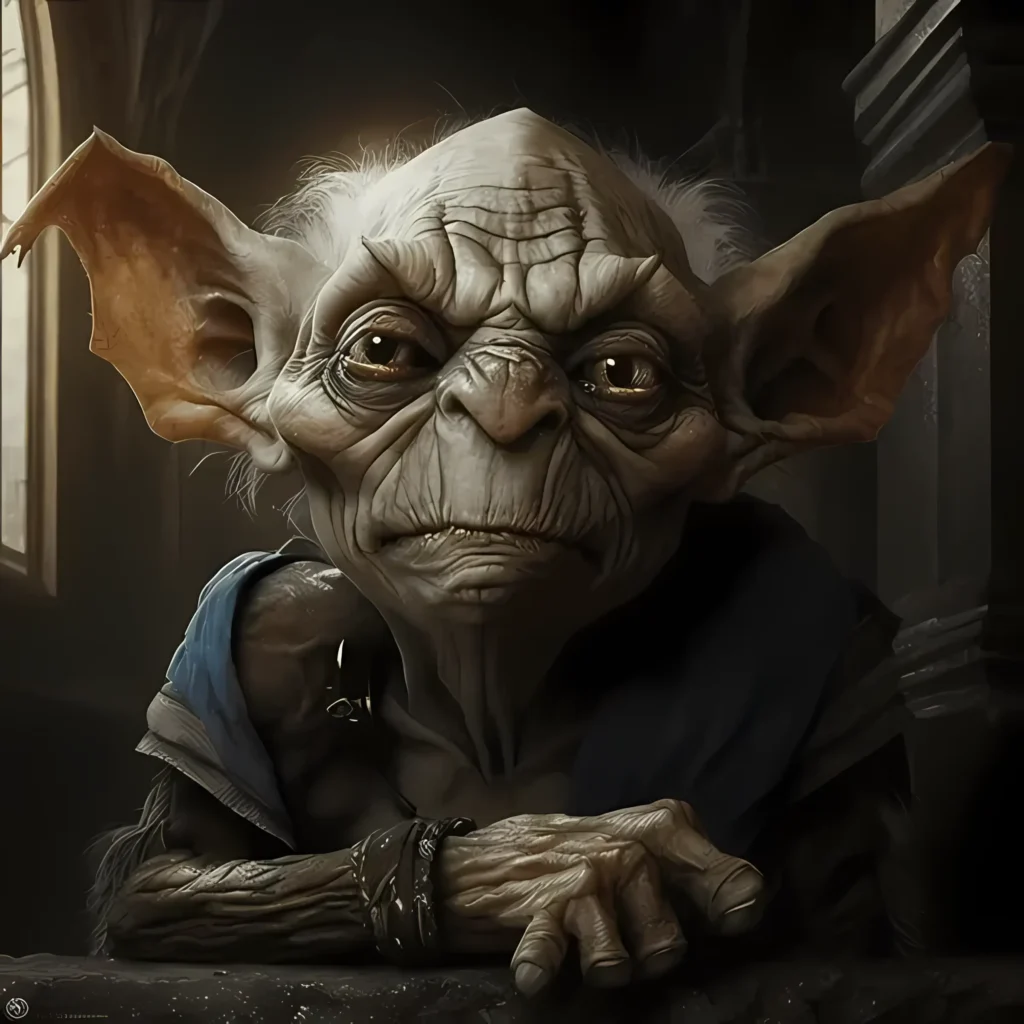
- The Grotesque Stature: They are generally small, ranging from the size of a cat to that of a human child, often with a hunched or crooked posture.
- The Vivid Skin Tones: While modern media favors green or brownish-grey, traditional folklore describes them in shades of earthy red, dull yellow, or even soot-black.
- The Exaggerated Features: They possess oversized, pointed ears, long "hooked" noses, and mouths filled with mismatched, yellowed teeth.
- The "Gleaming" Eyes: Their eyes often reflect light like a predator's, appearing as glowing embers in the darkness of a cave or cellar.
- The Ragged Attire: They rarely wear armor; instead, they dress in "found" items—scraps of leather, rusted chains, or stolen human clothing that is far too large for them.