
★ Overview
ELF
While modern fantasy often depicts the elf as a slender archer with pointy ears, their roots in Norse and Germanic mythology are far more divine. Originally known as the Alfar, they were semi-divine beings associated with the gods, specifically the Aesir and Vanir. In the Prose Edda, they are divided into two distinct groups: the Ljosalfar (Light Elves), who are “fairer to look upon than the sun,” and the Dökkalfar (Dark Elves), who live underground and are as black as pitch.
They are the keepers of ancient songs, the masters of the forge, and the personification of the world’s hidden beauty. Unlike the chaotic Pixies or the bumbling Goblins, Elves possess a “cold” nobility. They are often seen as a reflection of humanity at its most idealized—beautiful, immortal, and deeply connected to the magic of the earth—but also aloof and potentially dangerous to those who treat the natural world with disrespect.
In popular culture, elves are often portrayed as heroic or mischievous characters who play a central role in fantasy stories. They are often depicted as having an otherworldly beauty and grace, as well as a sense of humor and mischief.
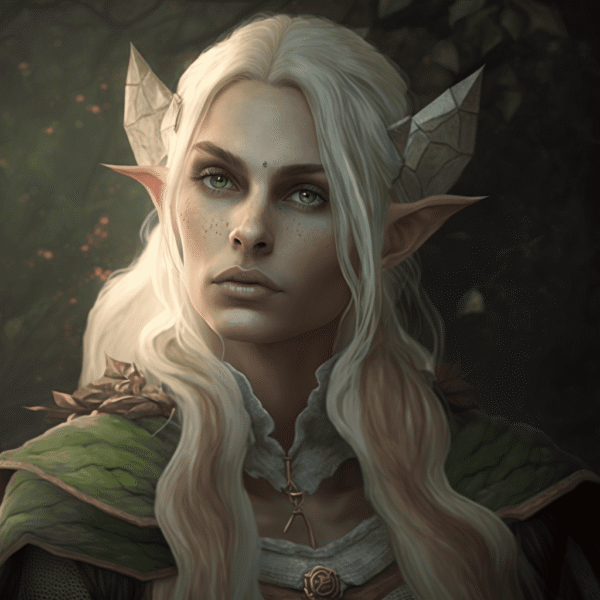
Origin & History
The origins of elves are rooted in European mythology and folklore, particularly in the folklore of Germanic and Scandinavian cultures. In Norse mythology, elves were known as “alfar” and were believed to be supernatural beings who lived in the forests and were associated with fertility and nature.
In medieval Europe, elves were often associated with fairies and other magical creatures, and were believed to have the ability to shape-shift, disappear at will, and cast spells. They were sometimes seen as mischievous and tricky, playing pranks on humans and sometimes causing harm.
The modern depiction of elves as we commonly know them today has its roots in the Romantic era of the 19th century. Writers and artists of this era, such as J.R.R. Tolkien, created elaborate worlds and mythologies that featured elves as noble, heroic beings with their own languages and cultures.
Powers & Abilities
- Enhanced senses: Elves are often depicted as having heightened senses, particularly in terms of sight and hearing, which help them navigate the natural world and detect danger.
- Immortality: Elves are often portrayed as being immortal or at least living much longer than humans, which gives them a sense of wisdom and perspective that is not available to mortal beings.
- Magic: Elves are usually associated with magic, and are often depicted as being skilled in areas such as archery, music, or crafting. They may also be able to cast spells, control nature, or communicate with animals.
- Stealth and agility: Elves are often depicted as being stealthy and agile, able to move silently through the forest and evade capture or detection.
- Healing: In some stories, elves are believed to have the ability to heal wounds or illnesses, using their knowledge of nature and magic to restore health and vitality.
Appearance
- The Radiant Form: Light Elves are described as possessing a luminosity or "halo" that makes them appear to glow. Their features are sharp, symmetrical, and ethereally beautiful.
- The Eyes: Often described as having a "star-like" quality, their eyes can see through illusions and perceive the flow of magic in the air.
- The Ears: Classically depicted with tapered, pointed ears, which symbolize their heightened senses and connection to the whispers of the forest.
- The Attire: They wear clothing that appears both ancient and timeless, often incorporating filigree of silver or gold and fabrics that shift colors like autumn leaves or flowing water.
- The Height: In Norse myth, they are human-sized or taller. The "tiny" elf (like those of Santa or Rice Krispies) is a much later adaptation resulting from the merging of Elf and Gnome folklore.