
★ Overview
The Ultimate Mythical Creature Fantasy Football Draft: Who Makes the Starting Eleven?
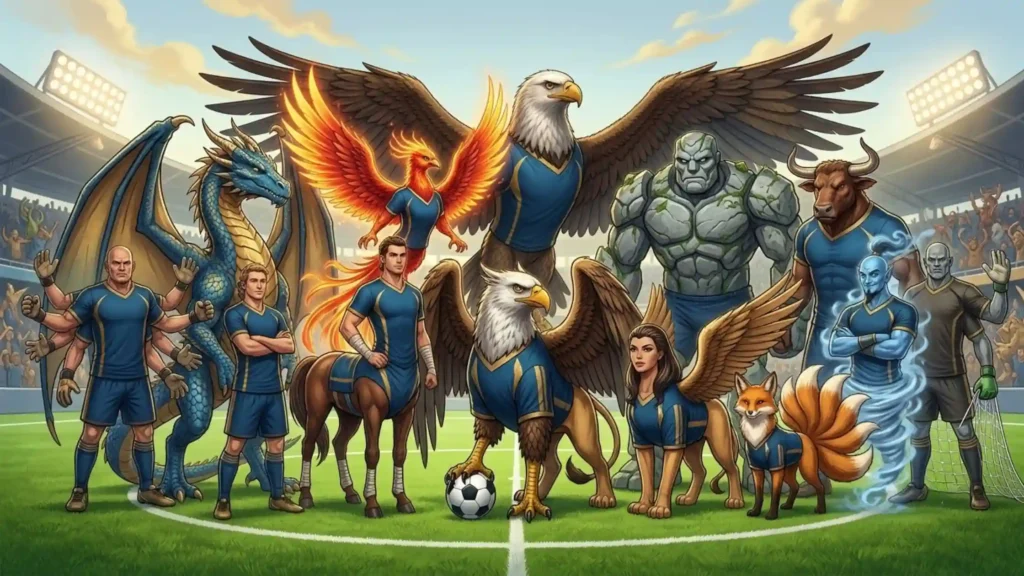
What happens when the transfer window opens across every mythology on Earth? What would a fantasy football team look like?
Forget wages, agents and financial fair play. Our scouts have been watching mountain peaks, enchanted forests, ruined temples and the darkest parts of the ocean. The assignment was simple: assemble an unbeatable football team using only mythical creatures.
This is not a list of the strongest monsters. Football rewards specialists. A hundred-headed giant may dominate a battlefield, but can it stay onside? A siren can distract a defender, but will the referee consider that unsporting behaviour? Every selection must earn its place through speed, reach, intelligence, teamwork or one gloriously unfair supernatural advantage.
We are lining up in a bold 4–3–3. Let the draft begin.
Goalkeeper: Hecatoncheir
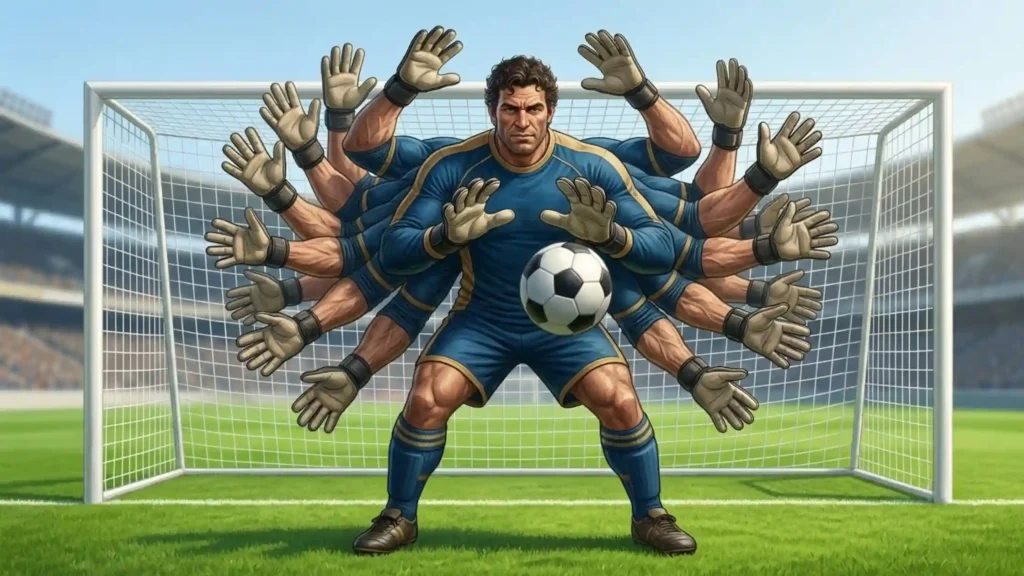
The goalkeeper position ends the moment a Hecatoncheir signs the contract.
The Hecatoncheires of Greek mythology were giants with one hundred hands and fifty heads. That is excessive even by modern goalkeeping standards. One pair of hands deals with the shot, another catches the deflection and several dozen more point accusingly at whichever defender lost their marker.
The creature’s enormous frame covers most of the goal before the match starts. Its many eyes can follow runners, watch the ball and inspect the referee’s positioning simultaneously. Distribution may be chaotic, but very little is getting past it.
Possible weakness: finding gloves in the correct quantity.
Right-back: Centaur
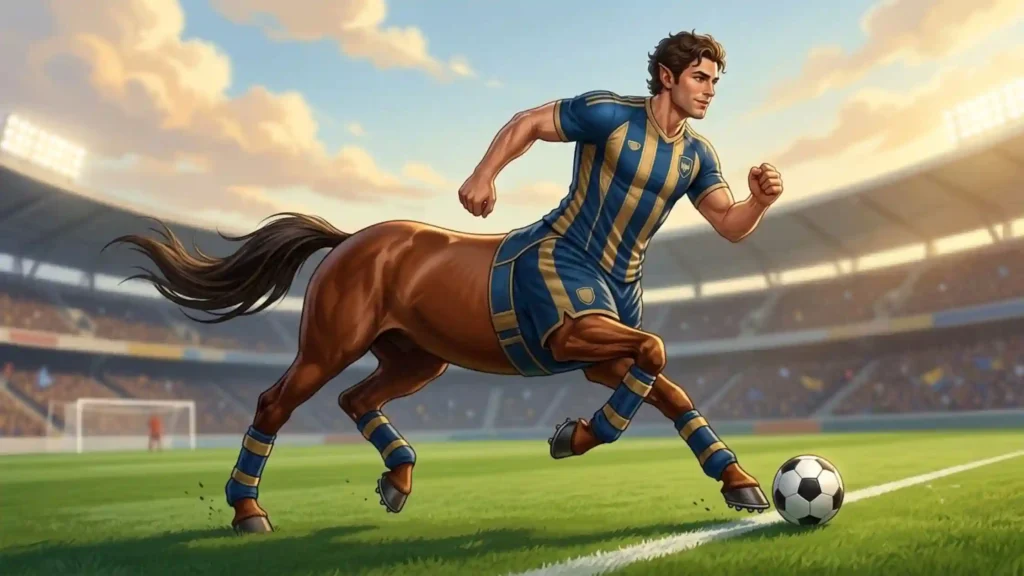
A modern full-back needs stamina, acceleration and the ability to turn defence into attack. A centaur brings the upper body of a warrior and the running machinery of a horse.
The centaur can overlap for ninety minutes, recover quickly and remain physically imposing in a challenge. Its higher viewpoint should also help it scan the field before delivering a cross.
There is one tactical concern: tight turns. A nimble winger may try to pull the centaur into cramped spaces. Our solution is to give it licence to play aggressively and keep moving forward.
Centre-back: Golem
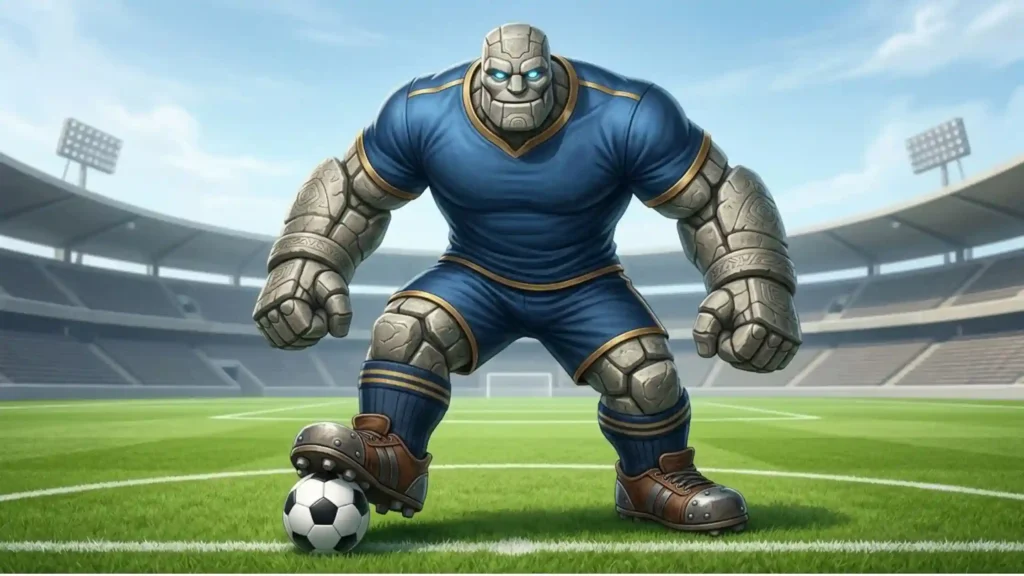
The golem is the calm, immovable centre of the defence. In Jewish tradition, golems are artificial beings formed from matter—most famously clay—and animated through sacred means. That makes this selection less about speed and more about presence.
The golem does not tire, panic at crowd noise or become distracted by transfer rumours. It holds position, blocks shooting lanes and treats shoulder-to-shoulder challenges as minor weather.
It is also our safest defender when protecting a late lead. Do not ask it to dribble through midfield. Ask it to stand exactly where danger is coming from.
Centre-back and Captain: Griffin
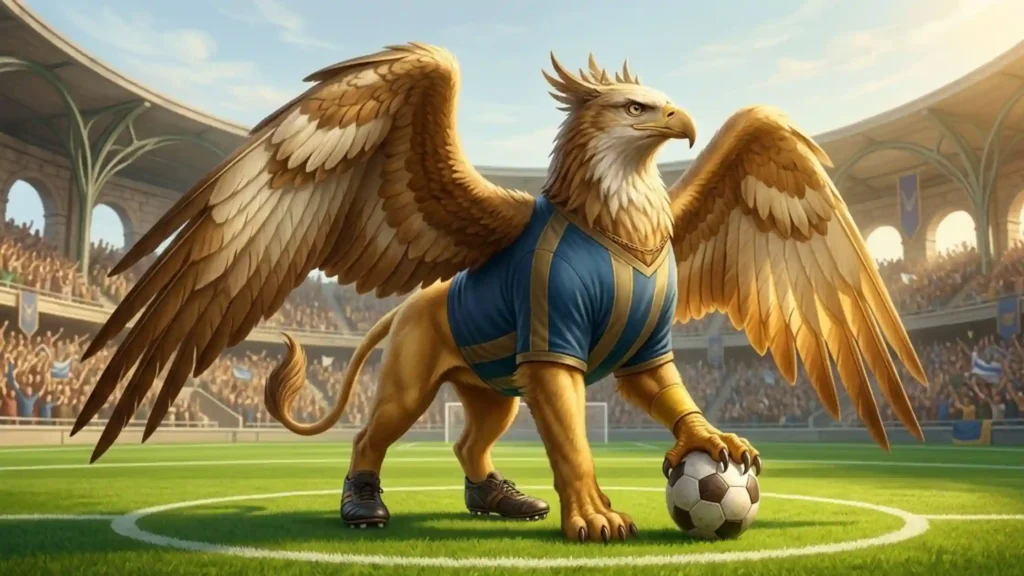
The griffin combines the body of a lion with the head and wings of an eagle. Across different artistic traditions it has been associated with guardianship, power and authority—perfect credentials for a captain.
Where the golem supplies weight, the griffin supplies anticipation. An eagle’s vision helps it read long passes, while wings allow it to challenge for balls that no ordinary centre-back could reach. The lion half ensures that opposing forwards understand the consequences of entering its territory.
The griffin also offers emergency aerial cover whenever the goalkeeper’s many hands somehow become occupied.
Left-back: Kitsune
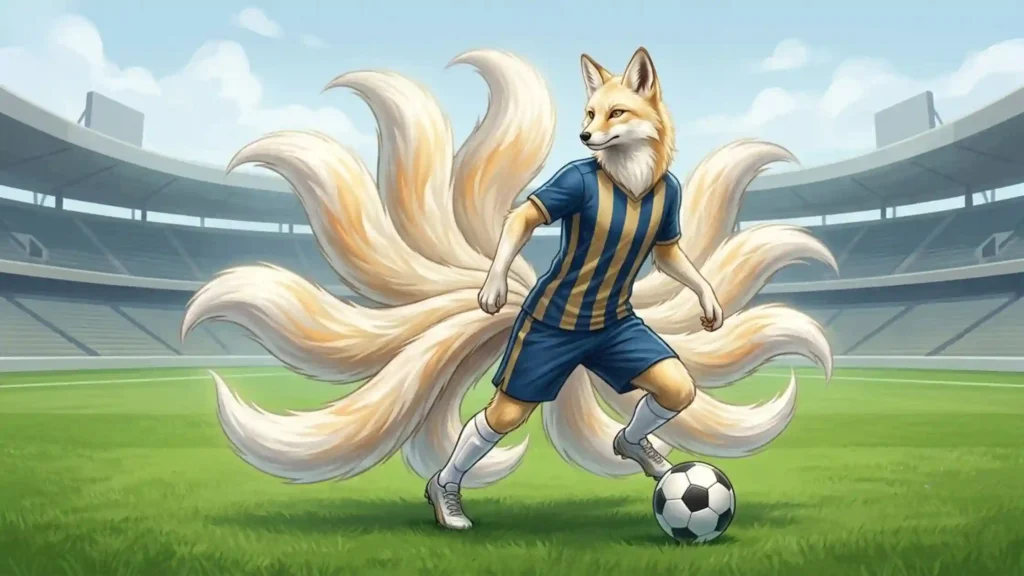
Our left-back is a tactical wildcard.
Kitsune stories vary across Japanese tradition, but these fox beings are commonly associated with intelligence, transformation and supernatural ability. A kitsune can disguise its intentions, appear in unexpected spaces and make an ordinary overlap feel like a magic trick.
This is the defender most likely to step into midfield, confuse the opposition’s marking system and create an overload. The risk is obvious: cleverness can become mischief. A strict captain is essential.
Defensive midfield: Minotaur
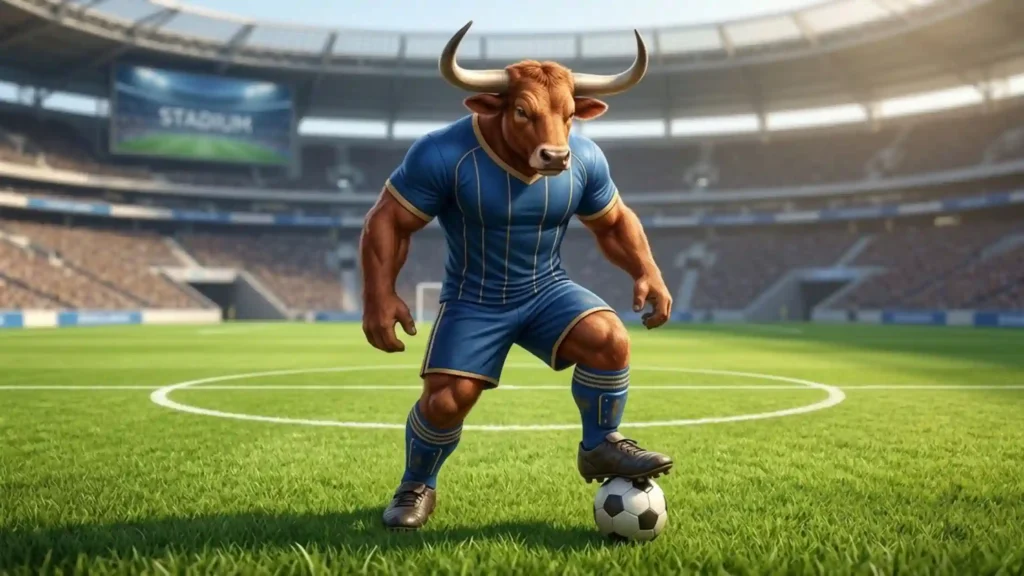
Every adventurous team needs someone who enjoys stopping counterattacks. Enter the Minotaur.
The famous bull-headed figure belongs to the story of the Cretan labyrinth. On our team, that experience becomes elite spatial control. The Minotaur occupies the maze in the middle of the pitch, blocks direct routes to goal and forces opponents into less comfortable areas.
It is powerful enough to win physical duels and intimidating enough to make attackers release the ball early. Its job is not subtle: recover possession, give it to a more creative teammate and remain between the ball and the defence.
Central midfield: Sphinx
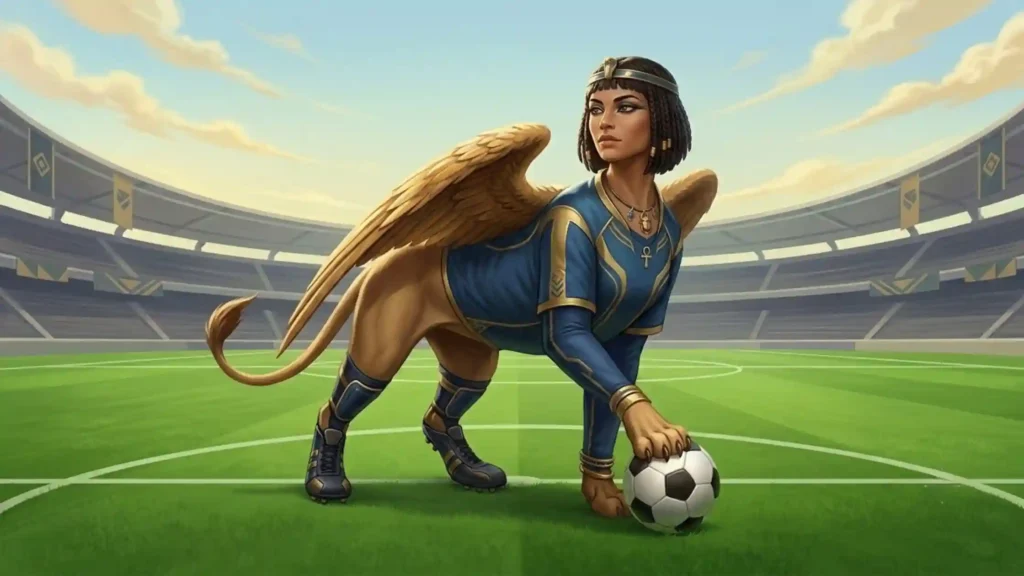
Midfield belongs to the player who sees the problem before everyone else. The sphinx is our deep thinker.
Versions of the sphinx appeared in multiple cultures, and its meaning changed as the image travelled. The Greek Sphinx is especially famous for the riddle associated with Oedipus. That connection makes it an irresistible choice for the role of tactical puzzle-setter.
The sphinx controls tempo by asking questions with every pass. Will it switch play? Hold possession? Release the centaur? Feed the phoenix between the lines? Opponents who choose the wrong answer may not be devoured, but they will probably concede.
Attacking midfield: Djinn
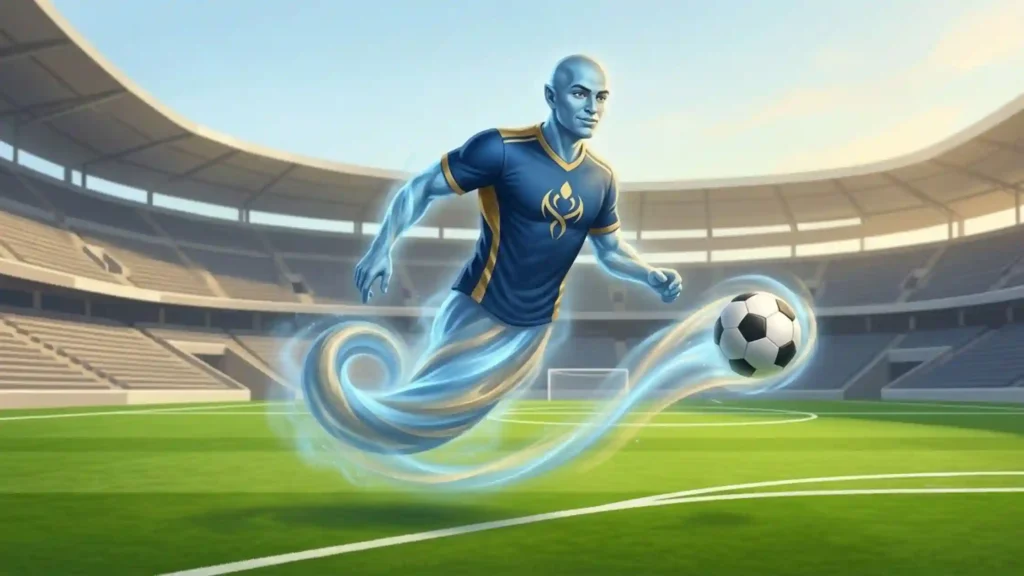
The number ten shirt goes to the djinn: elusive, powerful and impossible to reduce to the familiar “three wishes” stereotype.
Traditions concerning djinn are far richer and more complicated than their treatment in popular entertainment. For our fictional match, their association with an unseen world and extraordinary abilities translates into a player who appears between defensive lines as if emerging from thin air.
This is the creative risk-taker—the one capable of producing a pass nobody else imagined. The manager must phrase every tactical instruction very carefully.
Right wing: Roc
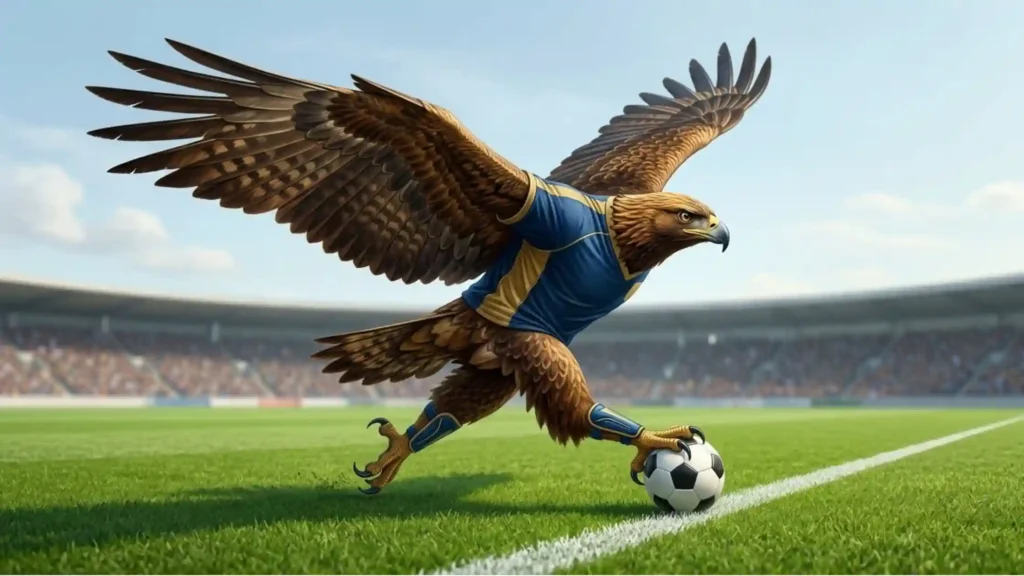
The right wing belongs to the roc, the colossal bird best known from Arabic literary tradition and later retellings of the Sindbad voyages.
The roc supplies overwhelming aerial power and the drama of an approaching storm. It stretches the field vertically, attacks high crosses and makes every run down the wing feel like a change in weather.
Its greatest challenge is restraint. A winger is supposed to carry the ball down the touchline, not carry an opposing defender into the next country.
Centre-forward: Dragon
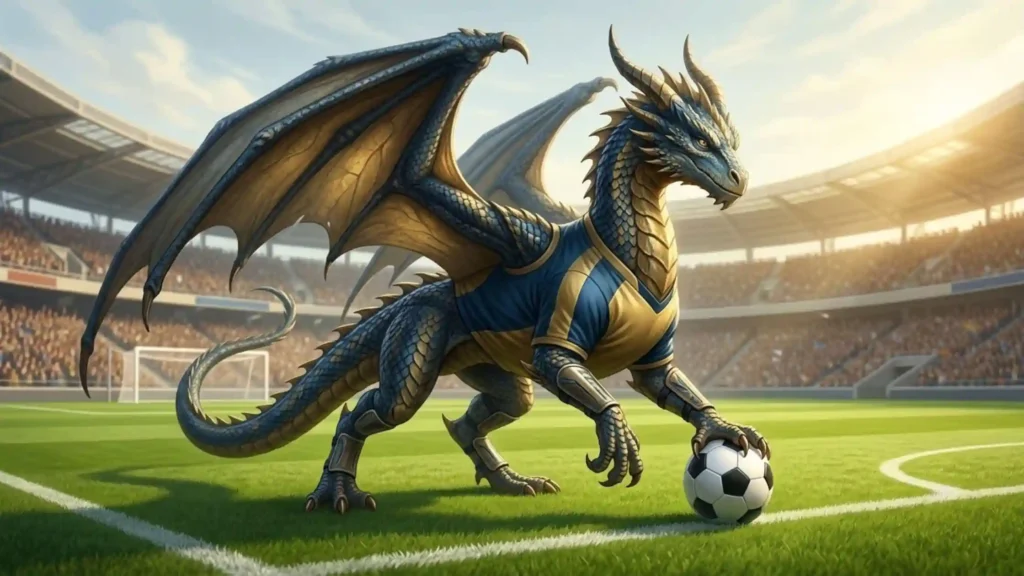
We need a striker who changes the geometry of the match. A dragon does that before touching the ball.
Dragon traditions differ enormously. European stories often cast dragons as dangerous adversaries or guardians of treasure, while East Asian traditions may associate dragon figures with water, weather, authority and prosperity. Our striker is therefore a deliberately broad fantasy composite, not a claim that all dragon traditions describe the same creature.
In footballing terms, the advantages are outrageous: strength, reach, aerial dominance and a shooting range that may require new fire-safety regulations. Defenders cannot stand too close, but giving the dragon space is equally disastrous.
Left wing: Phoenix
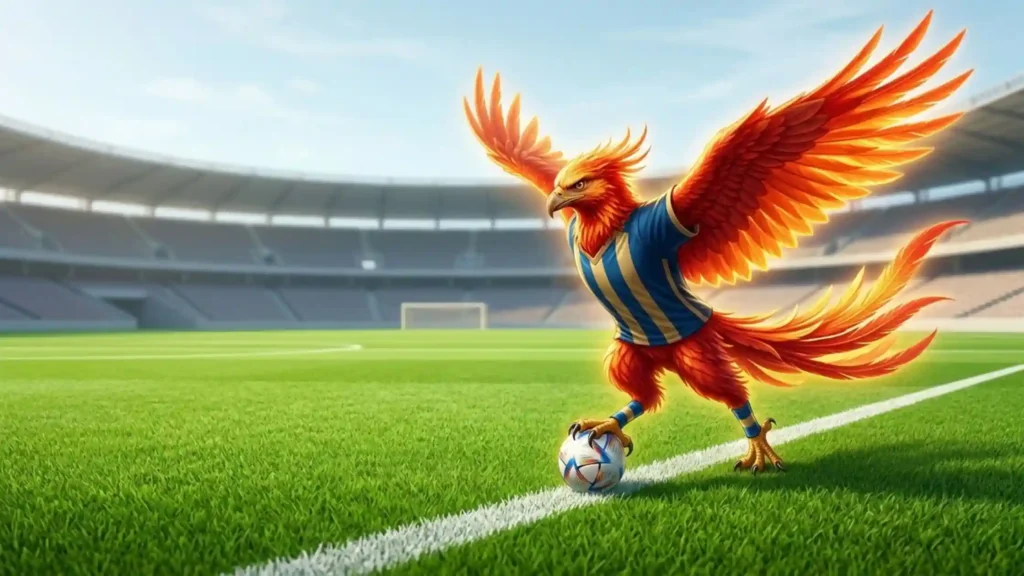
The phoenix gets the final attacking position because no player offers a better response to adversity.
Classical descriptions helped establish the phoenix as a marvellous bird connected with cyclical renewal. Later traditions made its rebirth through fire one of the world’s most recognisable symbols of recovery.
On the pitch, the phoenix is the player who becomes more dangerous after a setback. One goal down? Red card? Hostile away crowd? The phoenix turns collapse into momentum. It also provides width, aerial movement and a spectacular far-post run.
Manager: Chiron
The manager’s chair belongs to Chiron, the wise centaur of Greek mythology known as a teacher and mentor of heroes.
Football managers do not merely select players. They develop talent, balance powerful personalities and convince specialists to serve a shared plan. Chiron already has experience educating figures with heroic ability and heroic levels of confidence.
He also understands the centaur full-back better than any human coach could.
The bench
No fantasy squad is complete without dangerous alternatives:
- Pegasus: instant pace when the match becomes stretched.
- Cerberus: a natural defensive substitute, although registering three players under one squad number may be controversial.
- Selkie: devastating in waterlogged conditions.
- Basilisk: useful only if the league introduces extremely dark sunglasses.
- Unicorn: elegant ball carrier and potential set-piece specialist.
- Kraken: unbeatable during abandoned matches at sea.
Could this team actually work?
Surprisingly, yes—provided the stadium survives.
The golem and Minotaur give the side a strong defensive platform. The sphinx and djinn provide intelligence and invention. The centaur and kitsune create movement from the full-back positions, while the Thunderbird and phoenix stretch the field. The dragon occupies multiple defenders, and the griffin keeps the entire operation organised.
The main problem is discipline. Several players are accustomed to being worshipped, feared or obeyed. Few have experience tracking back after losing possession.
There would also be a long meeting about equipment rules, airborne challenges, magical interference and whether breathing fire counts as handling the ball.
Your turn to enter the transfer market
Our mythical starting eleven is powerful, fast and almost certainly uninsurable—but is it unbeatable?
Perhaps you would replace the Minotaur with a werewolf, start Pegasus on the wing or put Cerberus in goal. Build your own eleven and decide which creature wears the captain’s armband.
One rule remains: a famous name is not enough. Every creature must have a position, a tactical purpose and at least one weakness the opposition can exploit.
That is what turns a collection of monsters into a team.