
★ Overview
VAMPIRE
In original folklore, a vampire wasn’t a sparkly heartthrob; it was a reanimated corpse (upir or vrykolakas). It was a “revenant”—someone who died under a curse, by suicide, or through improper burial rites and returned to drain the life force (blood) from their family and livestock.
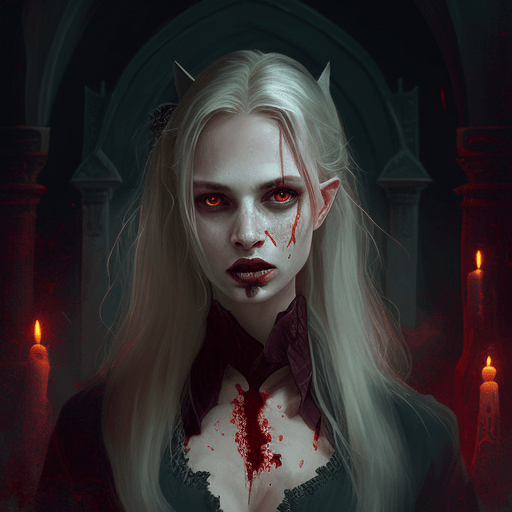
Vampires are famous, undead creatures that look just like humans except for their long canine teeth and pale skin. They are usually portrayed as attractive, which is how they lure humans into becoming their prey. A vampire bite is fatal, and is believed to turn a human into a zombie or another vampire.
Origin & History
As there are many types of vampire in mythology, so too are there many sources for the myth. Historians tend to point at the strega, or witch-spirit, of Italian folklore as a likely inspiration for the creature. There are likewise many other near-vampires and proto-vampires in Eastern European folklore, usually used as warnings against improper burial. Modern vampires tend to have little to do with their folkloric roots, though, outside of their tendency to be the recently returned deceased.
Powers & Abilities
- Hematophagy: The ability to gain strength, youth, and immortality by consuming the blood of the living.
- Shapeshifting: Depending on the region, they can turn into bats, wolves, rats, or even "mist."
- Hypnosis: A supernatural charm that prevents a victim from screaming or resisting during the "bite."
- Enhanced Vitality: They possess the strength of ten men and can heal from almost any wound that isn't instantly fatal.
Appearance
- The Folkloric Version: Ruddy, bloated, and purple-faced (from drinking blood). They often smelled of decay and wore the burial shroud they were buried in.
- The "Hollywood" Version: Pale, elegant, and sophisticated, with retractable fangs and formal evening wear (largely thanks to Bram Stoker’s Dracula).
- The Tell: They lack a reflection or a shadow, symbolizing that they no longer possess a soul.